
MVP Planning & Product Strategy for Small Businesses
Krytonite App Company Limited helps small businesses define a practical first release — mapping must-have features, build phases, user feedback loops, and improvement roadmaps without overbuilding from the start.
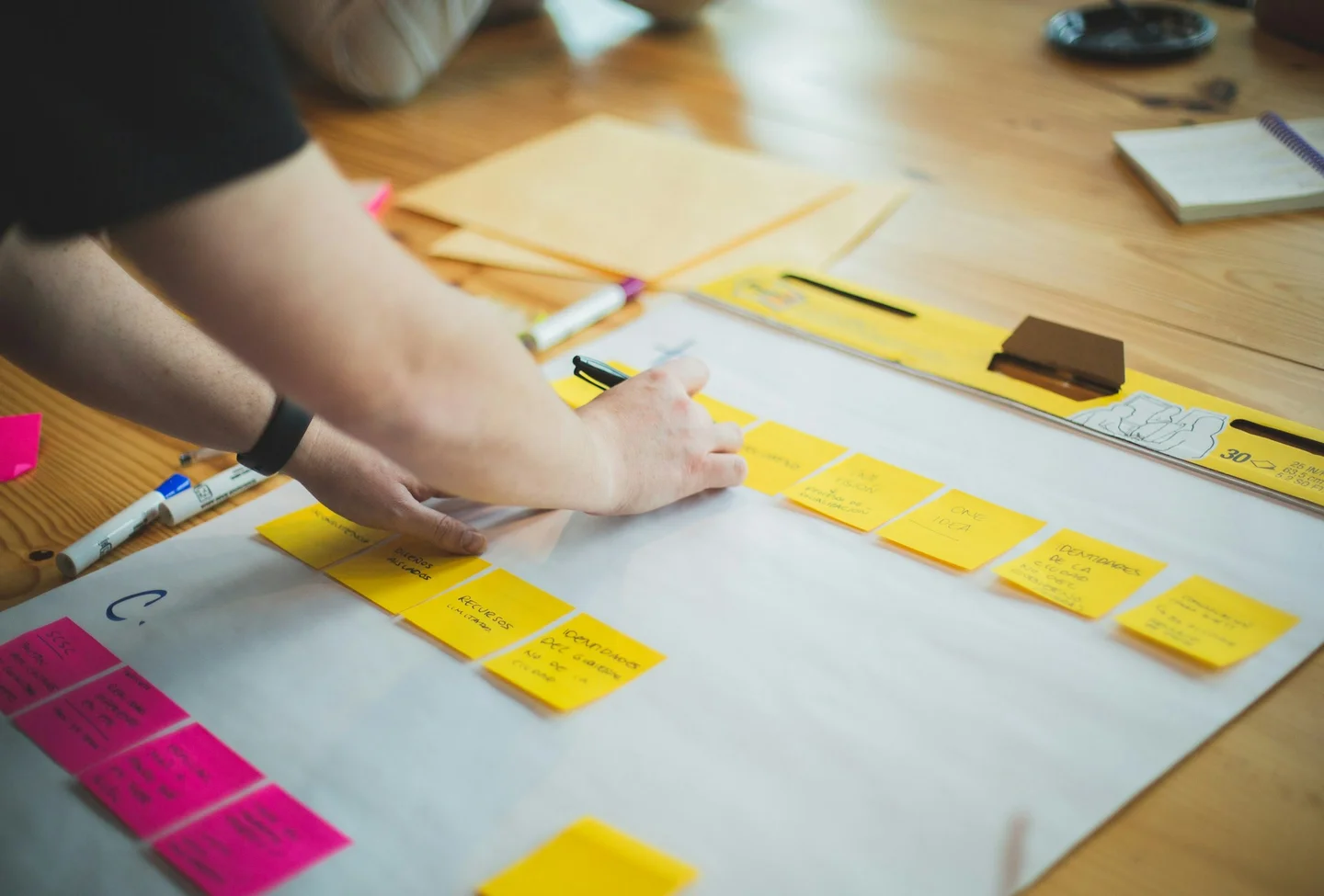
Visual atmosphere only — not representative of real Krytonite work
Define what to build first — and why
One of the most common mistakes in SME app development is trying to build too much in the first release. MVP strategy is about defining the smallest useful product that solves the core problem — not the entire product vision.
Krytonite helps SMEs map their product idea into a practical first release: identifying must-have features, defining what can wait for phase two, planning the build order, and structuring a roadmap that can grow with the business.
MVP planning helps define a practical first release but does not guarantee funding, market adoption, user growth, revenue, investor interest, or product-market fit.
MVP strategy includes
- Product idea review
- Business goal mapping
- Target user definition
- Feature prioritisation
- Must-have vs nice-to-have analysis
- Build phase planning
- MVP scope definition
- Launch requirement planning
- Roadmap structuring
- User feedback loop planning
From product idea to phased build plan
A typical MVP approach moves from discovery and scope through UX design, build planning, and launch — with improvement phases planned from the start.
Discovery & Scope
- Business goals
- Target users
- Current processes
- Feature list
- Platform decisions
UX & Design
- Wireframes
- User flows
- Screen designs
- Prototype
- Design system
Build
- Core features
- Integrations
- User roles
- Testing
- Review cycles
Launch & Improve
- Launch plan
- User feedback
- Roadmap
- Future features
- Ongoing scope
What MVP and product strategy covers
Each MVP planning engagement is shaped around your specific product idea, business context, users, and available resources.
Idea Validation
Reviewing the core problem, target users, existing solutions, and whether a practical software product can address the identified need.
Feature Prioritisation
Separating must-have features from nice-to-have features — defining what's in scope for the first release and what belongs in later phases.
User Mapping
Identifying who uses the product, what they need to do, and what the minimum experience looks like for them to find value in the first release.
Product Roadmap
Structuring a phased roadmap from first release through improvement cycles — showing how the product can grow without being overscoped from day one.
Build Phase Planning
Breaking the build into phases with clear scope, agreed features, platform decisions, integration requirements, and realistic timeline guidance.
Scope Control
Reviewing scope expansion requests against MVP principles — protecting the first release from feature creep while noting roadmap opportunities.
Technical Planning
Discussing platform choices, technology requirements, data structures, integrations, hosting, and technical constraints as part of MVP scoping.
Launch Planning
Reviewing launch requirements, minimum viable go-live criteria, early user feedback plans, and first improvement priorities post-launch.
MVP planning helps define a practical first release but does not guarantee funding, market adoption, user growth, revenue, investor interest, or product-market fit.
Project scope, features, platforms, integrations, hosting, maintenance, testing, security requirements, third-party services, timelines, and final software development terms are confirmed individually for each enquiry.
App performance, business results, user adoption, revenue, funding, app store approval, search visibility, uptime, security, and commercial outcomes are not guaranteed. Requirements, platforms, integrations, and technical constraints are reviewed individually.
Tell us what your business app needs to solve.
Share your app idea, workflow challenge, or software requirement and we'll review it carefully and come back with questions, a scope discussion, and a clear next step.
App design • Web apps • Portals • Booking systems • Dashboards • Workflow software